

NOUTĂȚI
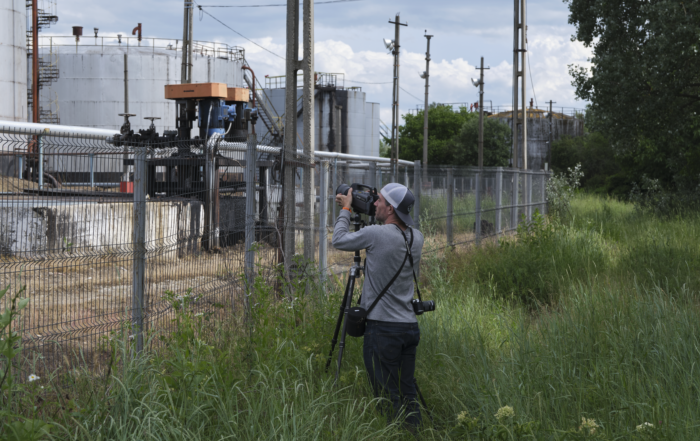
Statele membre au acum toate instrumentele pentru aplicarea regulilor privind emisiile de metan
La o lună după ce Comisia Europeană a emis recomandările care clarifică modul de aplicare a Regulamentului privind reducerea emisiilor de metan, presiunea pentru redeschiderea textului continuă. 2Celsius a semnat, alături de alte 21 de organizații europene și naționale, o [...]

2Celsius cere, alături de alte 68 de organizații, promulgarea legii anti-SLAPP
Pe 21 septembrie 2026, 2Celsius și alte 68 de organizații neguvernamentale, civice și de presă i-au transmis președintelui Nicușor Dan o solicitare de promulgare a Legii anti-SLAPP. Numele oficial al actului normativ este Legea privind protecția împotriva cererilor vădit neîntemeiate [...]

Decalajul de justiție de mediu al Europei și proiectul care își propune să-l reducă
Cercetările găsesc multă inegalitate în privința cine are parte de un mediu curat, cine este cu adevărat ascultat și cine ajunge în fața instanțelor, dar mult mai puțină organizare sub steagul justiției. EJUC, un proiect finanțat de UE din care [...]

Cugirenii, aproape toți ecologiști: 96,7% susțin înființarea unei arii naturale protejate în jurul orașului
Un studiu sociologic profesionist arată că locuitorii orașului Cugir au o relație strânsă cu natura din jurul localității și susțin masiv protejarea zonelor verzi, într-un context în care rezultatele ar putea sta la baza unor viitoare politici publice locale. Un [...]
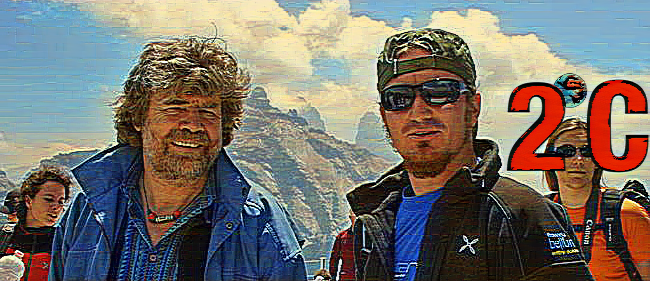
La mulți ani celui mai mare alpinist! Reinhold Messner împlinește 82 de ani
În iulie 2008 am avut bucuria de a-l întâlni pe Reinhold Messner la „locul lui de muncă”, sus, în Dolomiți. Copleșit de emoție, l-am intervievat și am dat acelei întâlniri suprarealiste o tentă carpatică. La mulți ani celui mai mare [...]
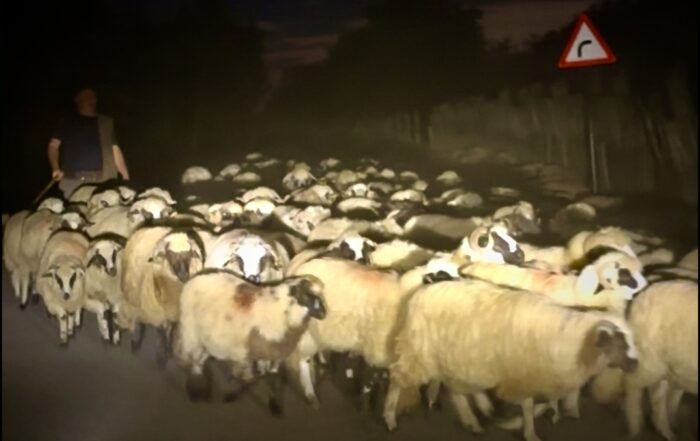
Criza oieritului și UE. Lege și fapte
În 2025, România era cel mai mare exportator de oi vii din UE. De când au izbucnit focarele de boală, în noiembrie 2025, Comisia Europeană a închis treptat această piață, iar ciobanii care depind de ea protestează pe străzile Bucureștiului. [...]
Ne-a lăsat la „viteza bicicletei”. Ivan Illich la 100 de ani de la naștere
Illich Am recitit după o lungă lungă pauză Tools for Conviviality (1973) ("Unelte pentru convivialitate") a lui Ivan Illich. Austriacul face o distincție între uneltele „conviviale", care extind puterile proprii ale unei persoane și rămân sub controlul acesteia, și [...]

Termenul-limită pentru Planurile Naționale de Restaurare a Naturii
Astăzi este termenul-limită până la care țările UE trebuie să își depună proiectele de Planuri Naționale de Restaurare, în temeiul Legii UE privind Restaurarea Naturii. Organizațiile de mediu (EEB, WWF, ClientEarth și BirdLife) îndeamnă guvernele să depășească simpla bifare a [...]